Monday, 4 August 2014

True Fitness Fitness Exercise for Women for Men for Women at Home for Men at Home Abs For Kids for Women to Lose Weight Tumblr Photos 

True Fitness Biography

Source:- Google.com.pk
True Fitness is defined as "a set of attributes that people have or achieve that relates to the ability to perform physical activity".
This description goes beyond being able to run long distance or lift a lot at the gym. Fitness is more than simply a questions of listing which activities you do or how long you do them for.
Despite being important, these attributes only address single areas of fitness.
This Medical News Today information article provides details on the five main components of physical fitness, which include:
cardiorespiratory endurance muscular strength
muscular endurance
body composition
flexibility
Cardiorespiratory endurance is how our body is able to supply fuel during physical activity via the body's circulatory and respiratory systems.
According to Folsom Lake College2, there are two parts of cardiorespiratory endurance:
How efficient your heart and lungs are at delivering oxygen to your body
How efficient your body is at creating the ATP, or energy, your muscles need in order to contract.
Activites that can help improve your cardiorespiratory endurance include those that cause an elevated and safe heart rate for a sustained period.
These activities include swimming, brisk walking, jogging, and cycling.
It is important to begin these activities slowly and gradually increase the intensity.
The USDHHS defines muscular strength as the ability of muscle to exert force during an activity.
You can strengthen your muscles by making them work against resistance, hence the term "resistance training". A muscle has to be overloaded to be strengthened. This can be achieved by lifting weights.
Alberta Education3 recommends starting with a resistance of around 80 percent of the maximum weight you can lift at one time and doing 3-9 repetitions of this weight through 3-5 sets for effective muscular benefits.
muscular endurance is the ability of a muscle to continue exerting force without tiring out.
According to Dixie State University4, muscular endurance training helps develop the slow twitch fibers in your muscles.
As opposed to hard twitch fibers, slow twitch fibers handle low levels of force over relatively long periods.
Endurance can be improved by cardio-respiratory activities such as jogging, dancing, and cycling.
The relative amounts of muscle, bone, and fat make up body composition, i.e. the body's muscle-bone-fat ratio. Despite someone's weight not changing, that does not mean that their level of fat is the same.
People with a high muscle (lean mass) ratio weigh more than those with the same height and waist circumference who have less muscle. Muscle weighs more per cubic inch of volume than fat.
According to The University of New Mexico5, common methods of calculating body composition include: skinfolds, circumference (girth) measures, hydrostatic weighing, bioelectrical impedance, and near-infrared interactance.
Flexibility is the range of movement across a joint. Flexbility is important because it improves the ability to link movements together smoothly and can help prevent injuries.
The different types of flexibility, according to The Massachusetts Institute of Technology (MIT)6, are:
Dynamic flexibility (also called kinetic flexibility) - dynamic movements of the muscles to allow a limb through its full range of motion in the joints.
Static-active flexibility (also called active flexibility)
Static-passive flexibility (also called passive flexibility)
Perhaps the definition of fitness doesn’t include strength, speed, power, and coordination though that seems rather odd. Merriam Webster’s Collegiate Dictionary defines "fitness" and being "fit" as the ability to transmit genes and being healthy. No help there. Searching the Internet for a workable, reasonable definition of fitness yields disappointingly little. Worse yet, the NSCA, the most respected publisher in exercise physiology, in their highly authoritative Essentials of Strength Training and Conditioning doesn’t even attempt a definition.
For CrossFit the specter of championing a fitness program without clearly defining what it is that the program delivers combines elements of fraud and farce. The vacuum of guiding authority has therefore necessitated that CrossFit’s directors provide their own definition of fitness. That's what this issue of CrossFit Journal is about, our "fitness."
Fitness can be described as a condition that helps us look, feel and do our best. That means being able to rely on your body to perform when you need it to, whether it be doing daily household tasks, enjoying a brisk walk on a beautiful fall day, running a race or bench pressing your own body weight. Only you can set your fitness goals. Your present fitness level, age, health, skills, interest and convenience are among the factors you should consider. If you start out slowly, you may find that a simple success spurs you on to take it to the next level.
The President's Council on Physical Fitness and Sports outlines five basic components to physical fitness:
Heart and lung endurance – The ability to deliver oxygen and nutrients to tissues and to remove wastes throughout sustained periods of time. Long runs and swims are among the methods employed in measuring this component.
Muscular strength – The ability of a muscle to exert force for a brief period of time. Upper-body strength, for example, can be measured by various weight-lifting exercises.
Muscular endurance – The ability of a muscle, or a group of muscles, to sustain repeated contractions or to continue applying force against a fixed object. Push-ups are often used to test endurance of arm and shoulder muscles.
Flexibility – The ability to move joints and use muscles through their full range of motion. The sit-and-reach test is a good measure of flexibility of the lower back and backs of the upper legs.
Body composition – Often considered a component of fitness. It refers to the makeup of the body in terms of lean mass (muscle, bone, vital tissue and organs) and fat mass. A particular ratio of fat to lean mass is an indication of fitness, and the right types of exercise will help you decrease body fat and increase or maintain muscle mass.
Your exercise program should include something to improve each of these five basic fitness components. Each workout should begin with a warm-up and end with a cool-down. A warm-up generally consists of five to 10 minutes of low intensity movements, such as walking, slow jogging, knee lifts, arm circles or trunk rotations. A cool-down consists of a minimum of five to 10 minutes of slow walking, low-level exercise, combined with stretching. As a general rule, you should try to get moderate intensity exercise, like brisk walking, most days of the week.
Importance of Warm-Ups
You may be psyched to pump iron and burn calories, but you could do more damage than good if you jump right into it without taking the time to bring your body up to speed.
Some people think a warm-up is just a bit of bending and stretching before you work out. But there's more to warming up than that. A warm-up should include a progressive aerobic activity that uses the muscles you will be exercising.
Why warm up? You need to take five to 10 minutes to raise the core temperature of your body and your muscles. This prepares the muscles and joints for more intense activity. According to the American Council on Exercise, warm-ups also help to:
Improve the elasticity of your muscles
Promote circulation
Give you better muscle control
Reduce muscle fatigue
A general warm-up can be any light, continuous movements using the large muscle groups. This might be marching or jogging in place. Your warm-up should produce a little sweat, but not leave you feeling fatigued. Some people opt to include flexibility or stretching exercises after they have finished the aerobic activity.
When pressed for time, the warm-up period is usually the first thing to go. Don't let this happen to you. Warming up is as important as the exercise itself. It makes your workout more efficient, more productive and most importantly, safer. Don't forget to take a few minutes to cool down as well, after your exercise.
True Fitness Fitness Exercise for Women for Men for Women at Home for Men at Home Abs For Kids for Women to Lose Weight Tumblr Photos
 True Fitness Fitness Exercise for Women for Men for Women at Home for Men at Home Abs For Kids for Women to Lose Weight Tumblr Photos 
True Fitness Fitness Exercise for Women for Men for Women at Home for Men at Home Abs For Kids for Women to Lose Weight Tumblr Photos 
True Fitness Fitness Exercise for Women for Men for Women at Home for Men at Home Abs For Kids for Women to Lose Weight Tumblr Photos
   True Fitness Fitness Exercise for Women for Men for Women at Home for Men at Home Abs For Kids for Women to Lose Weight Tumblr Photos 
True Fitness Fitness Exercise for Women for Men for Women at Home for Men at Home Abs For Kids for Women to Lose Weight Tumblr Photos 
True Fitness Fitness Exercise for Women for Men for Women at Home for Men at Home Abs For Kids for Women to Lose Weight Tumblr Photos
True Fitness Fitness Exercise for Women for Men for Women at Home for Men at Home Abs For Kids for Women to Lose Weight Tumblr Photos 
Fitness Factory Fitness Exercise for Women for Men for Women at Home for Men at Home Abs For Kids for Women to Lose Weight Tumblr Photos 

Fitness Factory Biography

Source:- Google.com.pk
Fitness Factory designed one of the following training programs:
Zumba Fitness is the only Latin-inspired dance-fitness program that blends red-hot international music, created by Grammy Award-winning producers, and contagious steps to form a "fitness-party" that is downright addictive.  Since its inception in 2001, the Zumba program has grown to become the world's largest, and most successful dance-fitness program with more than 12 million people of all shapes, sizes and ages taking weekly Zumba classes in over 110,000 locations across more than 125 countries.
Zumba Toning takes the original Zumba dance-fitness class to the next level utilizing an innovative muscle training protocol and the addition of optional light weight toning sticks. Created to emphasize muscle work along with rhythms, this combination of cardio and dynamic resistive exercises is an effective use of progressive light weight training to improve overall performance. This Latin-inspired dance ‘n tone program also includes, for the first time, combination rhythms within the same songs which adds to the fun and flavor: Latin Disco, Reggaton-Cumbia, Conga Hip-Hop, Merengue Hip-Hop, Reggaton-Belly Dance, Techno and Salsa. This program is assured to provide the participant with a safe and effective, re-defining total body workout! Zumba Toning creates the same party atmosphere as every other Zumba program because the rhythm of the dance is the passion and foundation which keeps the participant engaged and coming back. Zumba Toning is fun, different, challenging and effective and provides, for the participant, a new avenue to weighted activity.
Zumba Gold Show aging who’s boss with the Zumba Gold program. You can try a live Zumba Gold class and get groovin’ with exciting dance-fitness workouts featuring upbeat Latin and world rhythms. It feels like a party while it revitalizes your mind and body. The Zumba Gold program keeps you groovin’ for life!
Piloxing is an exciting, new inter-disciplinary program that is attracting die hard followers including Hollywood celebrities and international stars.  Piloxing uniquely mixes pilates and boxing moves into a fat torching, muscle sculpting, core-centric interval workout, guaranteed to whip you into shape, using a class format that’s both fun and challenging.  Piloxing is the brainchild of Swedish dancer and celebrity trainer Viveca Jensen and the culmination of her mission to physically and mentally empower women through fitness. At the core of Piloxing is the principle that feminine is powerful and it aims for women to attain a sleek, sexy and powerful self-image. Piloxing blends the power, speed and agility of boxing with the beautiful sculpting and flexibility of Pilates. Add to that the fun and sexy dance moves that reflect Viveca's personality. In addition to Pilates and boxing movements, the exercise incorporates the use of weighted gloves which add to the workout by toning the arms and maximizing cardiovascular health.
  Cardio Kick is a combination of aerobics, boxing, and martial arts -- is one of the most popular fitness trends to hit gyms in recent years. These workouts, which are inspired by martial arts, have motivated many people to start a fitness program.  This intense, total-body workout can improve strength, aerobic fitness, flexibility, coordination, and balance. During a one-hour kickboxing workout, you can burn from 500 to 800 calories.
TNT (Tone and Tighten) is a very efficient, effective route to lose weight and get fit. These classes are not only for physical enhancement. TNT is an exciting workout that allows you to escape your everyday stresses and challenge your mind as well as your body. TNT creates a heightened inner confidence that empowers you to take total control of your life. In fact, once begun, students often crave the discipline, intensity and encouraging camaraderie within the group more than the actual physical benefits. This type of social outlet maintains sanity as much as it does body weight or muscle strength.
INDO-ROW means working in teams, partners and as one crew, Indo-Row provides a  total-body workout that challenges the body and focuses the mind.  The unique format of Indo-Row captures all the elements of competitive, on-water rowing, creating a class that is fast-paced and engaging from the first minute. From “Skills and Drills” to “Waves and Recoveries,” and the final build up to a friendly but competitive “Race,” Indo-Row quickly converts first-timers to devoted team members.  Indo-Row is designed specifically for first-time rowers, no experience is necessary. Indo-Rowers burn calories, sculpt muscle and enjoy a fun interval workout in a uniquely motivating, team-oriented fitness environment.
Rip-N-Row is a fusion rowing class that allows participants to rotate through various stations focusing on different body parts and working in teams to push each other to the next level.  Not for the faint of heart or the casual fitness person, Rip-n-Row is a high level, demanding class that offers results, excitment and fun!
 Fitness Factory Fitness Exercise for Women for Men for Women at Home for Men at Home Abs For Kids for Women to Lose Weight Tumblr Photos
 Fitness Factory Fitness Exercise for Women for Men for Women at Home for Men at Home Abs For Kids for Women to Lose Weight Tumblr Photos 
Fitness Factory Fitness Exercise for Women for Men for Women at Home for Men at Home Abs For Kids for Women to Lose Weight Tumblr Photos
 Fitness Factory Fitness Exercise for Women for Men for Women at Home for Men at Home Abs For Kids for Women to Lose Weight Tumblr Photos 
Fitness Factory Fitness Exercise for Women for Men for Women at Home for Men at Home Abs For Kids for Women to Lose Weight Tumblr Photos 
 Fitness Factory Fitness Exercise for Women for Men for Women at Home for Men at Home Abs For Kids for Women to Lose Weight Tumblr Photos 

Fitness Pro Fitness Exercise for Women for Men for Women at Home for Men at Home Abs For Kids for Women to Lose Weight Tumblr Photos 

Fitness Pro Biography

Source:- Google.com.pk
A fitness Pro is a professional in the field of fitness and exercise, most often instruction (fitness instructor), including aerobics and yoga instructors and authors of fitness instruction books or manuals. Fitness topics may also include nutrition, weight-loss, and self-help. Fitness careers are distinguished from exercise science careers such as athletic training, however the various types of fitness certifications have more and more in common: the, "distinctions...have become blurred, with more similarities than differences given the common background that all fitness professionals must possess."
Fitness professionals screen participants for exercise programs, evaluate various fitness components, prescribe exercise to improve these components, and may also help people with specific or chronic conditions.
Notable fitness professionals or former fitness professionals include Richard Simmons, Susan Powter, John Sitaras and Gov. Arnold Schwarzenegger (Arnold Schwarzenegger's Total Body Workout).
Certified fitness professionals must maintain up-to-date on all certifications in order to instruct at particular health clubs and gyms. Often, fitness professionals will have some education in kinesiology, anatomy, and biomechanics to aid in their fitness career.
In Canada, Canadian Fitness Education Services (CFES) provides national fitness leadership program modules to take candidates through the steps in Aquafit, Group Fitness and/or Weight Training Instructor and Personal Trainer national certification.
Personal training, Athletic training, and physical therapy are all technically distinct specialties with different processes and requirements for certification.In the United States the main certifying agency for personal trainers is ACSM (the American College of Sports Medicine), while the main certifying agency for athletic trainers is NATA (the National Athletic Trainers' Association). Obtaining certification or licensure as a physical therapist requires that you attend and graduate from a masters or doctoral program in physical therapy.
a fitness professional involved in exercise prescription and instruction. They motivate clients by setting goals and providing feedback and accountability to clients. Trainers also measure their client's strengths and weaknesses with fitness assessments. These fitness assessments may also be performed before and after an exercise program to measure their client's improvements in physical fitness. They may also educate their clients in many other aspects of wellness besides exercise, including general health and nutrition guidelines. Qualified personal trainers recognize their own areas of expertise. If a trainer suspects that one of his or her clients has a medical condition that could prevent the client from safe participation in an exercise program, they must refer the client to the proper health professional for prior clearance.
The scope of practice for a personal trainer is to enhance the components of fitness for the general, healthy population.
Proper exercise prescription may result in improved body composition, physical performance, heart condition and health outcomes.[2] The decision to hire a trainer may be related to a perceived ability to facilitate these factors through proper prescription and instruction or factors related to motivation and adherence. A trainer pays close attention to their client's exercise form, workout routine, and nutrition plan.
Few studies have investigated training for men, however, training in women has been shown to exercise behavior patterns, improve perceptual benefit-to-concern ratio for exercise (decisional balance), and increase confidence to choose exercise in the face of other time demands (scheduling self-efficacy). Personal training results in higher strength, higher workout intensities, and higher perceived exertion during exercise in women. Although women working with personal trainers do self-select heavier loads than women who did not, the loads used are still below recommended training load percentages.
Employment characteristics
The profession is generally not restricted by venue, and personal trainers may work in fitness facilities, in their personal homes, in client homes, over live video, or outdoors. Almost all personal trainers and group exercise instructors work in physical fitness facilities, health clubs, and fitness centers located in the amusement and recreation industry or in civic and social organizations. Personal training is not regulated in any jurisdiction in the United States except for Washington D.C. which adopted registration requirements for personal fitness trainers in February of 2014.
Personal trainers may specialize in a certain training type, training philosophy, performance type, exercise modality, or client population. In general, most personal trainers develop exercise prescription plans for aerobic exercise, resistance exercise, and/or flexibility training. With aerobic exercise prescription, personal trainers determine the type of exercise, duration of exercise, and frequency of exercise. For resistance exercise prescription, the type of exercise, total session volume, rest period, frequency, and intensity are determined. Personal trainers may also be involved in prescription of stretching routines or other approaches. While some discuss nutrition, ergogenic supplementation, and spiritual practices with clients, there is debate within the industry as to whether it fits within their scope of practice and training qualifications.
 Fitness Pro Fitness Exercise for Women for Men for Women at Home for Men at Home Abs For Kids for Women to Lose Weight Tumblr Photos
 Fitness Pro Fitness Exercise for Women for Men for Women at Home for Men at Home Abs For Kids for Women to Lose Weight Tumblr Photos 
 Fitness Pro Fitness Exercise for Women for Men for Women at Home for Men at Home Abs For Kids for Women to Lose Weight Tumblr Photos 
 Fitness Pro Fitness Exercise for Women for Men for Women at Home for Men at Home Abs For Kids for Women to Lose Weight Tumblr Photos 
 Fitness Pro Fitness Exercise for Women for Men for Women at Home for Men at Home Abs For Kids for Women to Lose Weight Tumblr Photos 
 Fitness Pro Fitness Exercise for Women for Men for Women at Home for Men at Home Abs For Kids for Women to Lose Weight Tumblr Photos 
 Fitness Pro Fitness Exercise for Women for Men for Women at Home for Men at Home Abs For Kids for Women to Lose Weight Tumblr Photos 
 Fitness Pro Fitness Exercise for Women for Men for Women at Home for Men at Home Abs For Kids for Women to Lose Weight Tumblr Photos 
 Fitness Pro Fitness Exercise for Women for Men for Women at Home for Men at Home Abs For Kids for Women to Lose Weight Tumblr Photos 
 Fitness Pro Fitness Exercise for Women for Men for Women at Home for Men at Home Abs For Kids for Women to Lose Weight Tumblr Photos 
 Fitness Pro Fitness Exercise for Women for Men for Women at Home for Men at Home Abs For Kids for Women to Lose Weight Tumblr Photos  

Sunday, 3 August 2014

Aerobic Fitness Fitness Exercise for Women for Men for Women at Home for Men at Home Abs For Kids for Women to Lose Weight Tumblr Photos 

Aerobic Fitness Biography

Sourcs:- Google.com.pk
"Aerobic fitness" refers to endurance, or the ability to sustain work for prolonged periods. This is usually experienced in the abilities to walk, run, climb uphill, swim, etc. Most forms of sports, work, recreational and military activities include elements of aerobic fitness. Generally speaking, any activity which lasts less than 12 minutes is not fully aerobic. The term "aerobic" implies that the oxygen necessary to accomplish the work is taken up by the individual during the activity. Strenuous exercise lasting less than 12 minutes includes substantial portions of anaerobic metabolism whereby one uses energy sources stored in the body to perform the work. Since the body's energy sources are limited, anaerobic work cannot last long. Fast runs, lasting 10 to 15 seconds, are mostly accomplished by anaerobic metabolism. With longer exercise time, more aerobic metabolism is involved, and exercise lasting more than 12 minutes is mostly accomplished by aerobic metabolism. Work is performed by the muscles which use oxygen for the combustion of fat and carbohydrates creating the energy necessary to move the body, or to move objects outside the body.
In aerobic work, oxygen is obtained from the air and is transferred from the lungs to the blood and then to the muscles via the circulatory system. Maximal oxygen uptake, or maximal aerobic power ( Vo2 max ) is the indicator of aerobic fitness. Vo2 max is determined by the measurement of oxygen uptake during the performance of maximal work, typically while running on a treadmill or while cycling. This is done by exercising for at least 12-minutes at submaximal loads, after which the maximal effort is performed for one or two minutes. Oxygen uptake during this time is measured, giving the value of Vo2 max. As Vo2 max increases, the level of aerobic fitness also increases. Aerobic fitness is dependent upon age and sex and it can be improved by training. It is highest at ages 18, 19 years in males and 15 to 20 years in females, and it decreases with age in adulthood. In general, males have higher Vo2 max than females. The main reason for this is that aerobic fitness is directly related to fat-free body weight, which consists mainly of the weight of muscles in the body, and on the average, males have a higher muscle mass than females. As with other physiological functions, there are large individual differences in Vo2 max of people of the same sex and age. Some people show high Vo2 max without exercising because of genetic and other factors, while other people who exercise regularly do not show high Vo2 max .Aerobic fitness is related to health. In the United States, over 800,000 people die each year from coronary artery disease (CAD) which is the number one killer in the United States. The risk factors for CAD include: Inactivity, high cholesterol levels, smoking, overweight, high blood pressure, and diabetes. Numerous studies have shown that inactivity is the most important factor responsible for CAD. It is twice as important as high cholesterol levels, and four times more important than high blood pressure. Consequently, exercise reduces the risk of dying from a heart attack and it is an effective method of rehabilitation in people who have suffered from a heart attack.
Related effects of exercise include the following:
Lowering of high blood pressure.
Increasing the high density lipoprotein (HDL) in the blood which helps collect the cholesterol in the blood and dispose of it in the liver.
Lowering the plasma triglyceride levels (fatty substances).
Assisting in weight control, mainly by reducing body fat.
Improving the function of the heart, by promoting beneficial changes in the structure and function of the coronary arteries (which provide oxygen to the heart muscle.
Alleviating muscle pain and improving walking capability in people who suffer from peripheral arterial disease.Since aerobic fitness is a measure of the ability to sustain prolonged efforts, it determines the degree of fatigue that almost everybody experiences in daily life. The higher your aerobic fitness, the less fatigue you experience.Aerobic fitness indicates such capabilities as walking, running and climbing; therefore, it is an important requirement in many sports, recreational activities and in some occupations.
Aerobic fitness may be the most important asset in emergency situations such as floods, earthquakes, lost in the wilderness, and other crises. The ability to reach safety or to survive under such circumstances may depend upon one's endurance in walking, running, swimming, climbing, and similar activities.
Aerobic fitness is a very important factor in growth and development during childhood and adolescence. It is also an important factor in the aging process. A high level of aerobic fitness during the growing years indicates good development of the muscles, bones, and cardiorespiratory system. It is more important in this respect than body weight. The UFT allows, for the first time, to classify the aerobic fitness of children and adolescents.In advanced age, aerobic fitness provides a measure of how fit one is physiologically. A 65 year old individual with a high aerobic fitness may actually mean that he or she is only 40 years old with respect to the condition of that person's cardiorespiratory, muscular, and other bodily systems. Although Vo2 max decreases with age, numerous studies have shown that exercise slows its rate of decline.
Good aerobic fitness is related to the ability to tolerate two common environmental stresses: heat, and high altitude. Aerobically trained individuals can exercise longer under these conditions as compared with untrained persons.Aerobic Fitness is endurance fitness, the ability to perform prolonged periods of aerobic work. In aerobic work, the oxygen obtained from the air is used for the combustion of fat and carbohydrates creating the energy necessary to perform the work.
MAXIMAL OXYGEN UPTAKE (Vo2 max)
Vo2 max is maximal oxygen uptake which indicates aerobic fitness - the ability to sustain work for prolonged periods. This is usually experienced in the abilities to walk, run, and climb uphill, swim, and other activities performed continuously for more than 15 minutes. Aerobic fitness is related to health. Fit people are usually healthier than unfit ones. Vo2 max is the best way to measure the aerobic fitness of an individual. The test consists of walking/running on a treadmill, or cycling on a bicycle ergometer at increased loads, for 12 to 15 minutes. The oxygen used during the maximal effort is the maximal oxygen uptake (Vo2 max). The higher the Vo2 max the fitter is the individual. The UFT predicts Vo2 max using a 30 seconds step test.
ABSOLUTE AND RELATIVE Vo2 max
Vo2 max is expressed as an absolute, or relative value. Absolute Vo2 max is simply the maximal oxygen uptake expressed in liters per minute. Absolute fitness is important in activities where body weight is not lifted such as in cycling, swimming and handling of objects and weights, other than body weight. Relative Vo2 max is absolute Vo2 max divided by body weight and it is expressed in milliliters of oxygen per body weight (kg) per minute (ml/kg/min). Relative Vo2 max is important in activities where body weight is lifted such as in walking, running and climbing uphill. In adults, relative Vo2 max is more important than absolute Vo2 max as a health indicator.
UFT
Universal Fitness Tester. Predicts aerobic fitness and related capabilities using a 30-second step test.
AEROBIC FITNESS SCORES AND CATEGORIES
The UFT system rates each absolute and relative Vo2 max value by the assignment of fitness scores and categories. The scores are age-sex adjusted, i.e., they rate an individual in relation to his/her age-sex group, according to aerobic fitness norms in the general population*. The scores range from below 48 indicating very poor fitness, to 70 indicating average fitness, to 100 indicating excellent fitness. The fitness categories are related to the fitness scores . Seven fitness categories are included: Excellent, Very Good, Good, Average, Fair, Poor and Very poor.
* Shvartz E, R.C. Reibold. Aerobic Fitness Norms For Males And Females Aged 6-75: A review. Aviation, Space and Environmental Medicine. 61:3-11,1990
MATHR
Maximal Allowable Training Heart Rate. The UFT system calculates the recommended exercise heart rate for each individual based on age,gender, weight, and fitness level. MATHR is the maximum heart rate that should not be exceeded during an exercise session.
Aerobic Fitness Fitness Exercise for Women for Men for Women at Home for Men at Home Abs For Kids for Women to Lose Weight Tumblr Photos
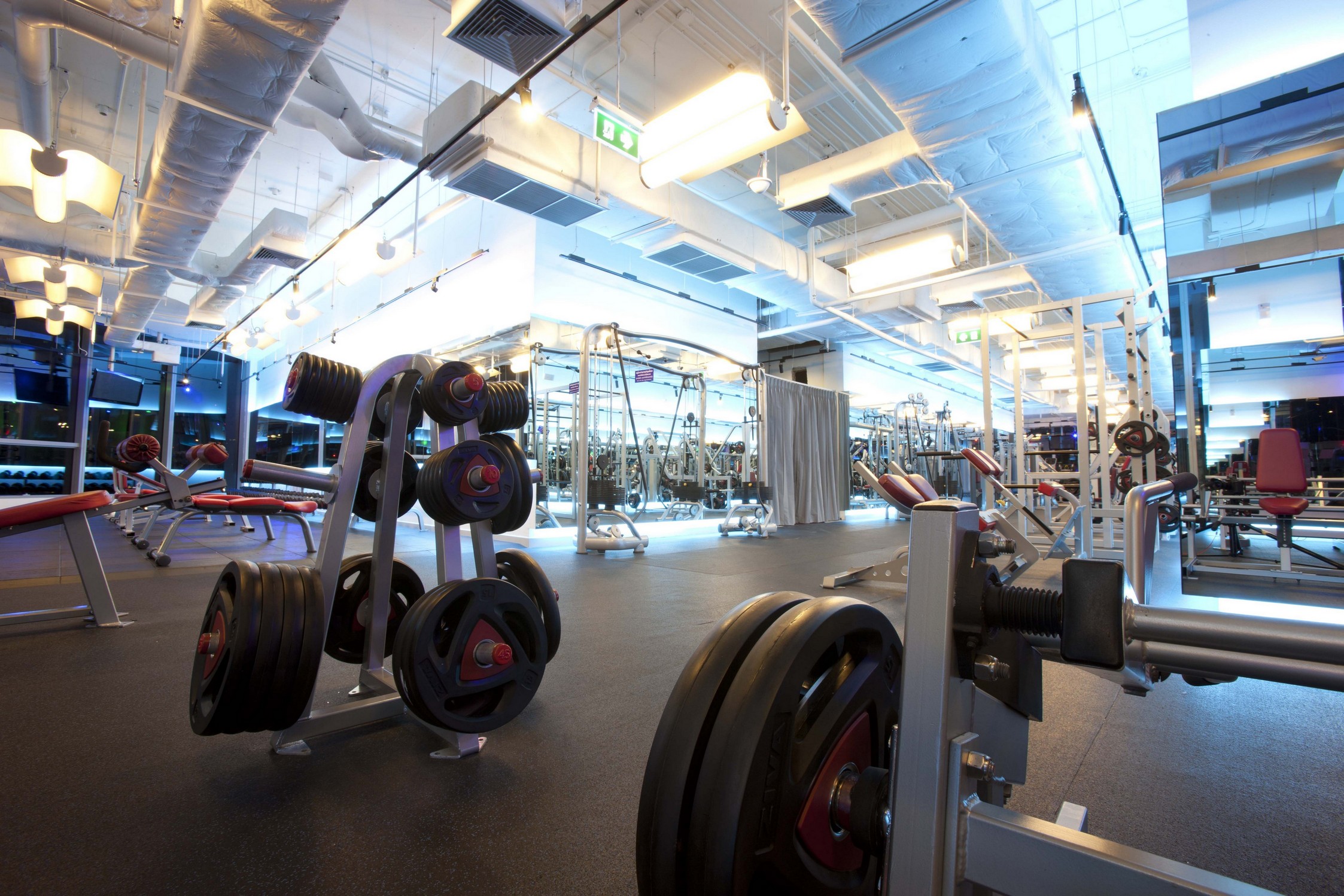
 Aerobic Fitness Fitness Exercise for Women for Men for Women at Home for Men at Home Abs For Kids for Women to Lose Weight Tumblr Photos
Aerobic Fitness Fitness Exercise for Women for Men for Women at Home for Men at Home Abs For Kids for Women to Lose Weight Tumblr Photos
 Aerobic Fitness Fitness Exercise for Women for Men for Women at Home for Men at Home Abs For Kids for Women to Lose Weight Tumblr Photos
 Aerobic Fitness Fitness Exercise for Women for Men for Women at Home for Men at Home Abs For Kids for Women to Lose Weight Tumblr Photos
  Aerobic Fitness Fitness Exercise for Women for Men for Women at Home for Men at Home Abs For Kids for Women to Lose Weight Tumblr Photos
  Aerobic Fitness Fitness Exercise for Women for Men for Women at Home for Men at Home Abs For Kids for Women to Lose Weight Tumblr Photos
  
Aerobic Fitness Fitness Exercise for Women for Men for Women at Home for Men at Home Abs For Kids for Women to Lose Weight Tumblr Photos
  
Aerobic Fitness Fitness Exercise for Women for Men for Women at Home for Men at Home Abs For Kids for Women to Lose Weight Tumblr Photos
  
Aerobic Fitness Fitness Exercise for Women for Men for Women at Home for Men at Home Abs For Kids for Women to Lose Weight Tumblr Photos
  
Aerobic Fitness Fitness Exercise for Women for Men for Women at Home for Men at Home Abs For Kids for Women to Lose Weight Tumblr Photos  

Urban Fitness Fitness Exercise for Women for Men for Women at Home for Men at Home Abs For Kids for Women to Lose Weight Tumblr Photos 
Urban Fitness Biography

Source:-Google.com.pk
Urban Fitness is a total body version of walking that can be enjoyed both by non-athletes as a health-promoting physical activity, and by athletes as a sport. The activity is performed with specially designed walking poles similar to ski poles.Nordic walking (original Finnish "Sauvakävely")[1] is fitness walking with specially designed poles. While trekkers, backpackers and skiers had been using the basic concept for decades, Nordic Walking was first formally defined with the publication of "Hiihdon lajiosa" (translation: "A part of cross-country skiing training methodic") by Mauri Repo in 1979.[2] (Works related to Hiihdon lajiosa at Wikisource.) Nordic Walking's concept was developed on the basis of off-season ski-training activity while using one-piece ski poles.For decades hikers and backpackers used their one-piece ski poles long before trekking and Nordic walking poles came onto the scene. Ski racers deprived of snow have always used and still do use their one-piece ski poles for ski walking and hill bounding. The first poles specially designed and marketed to fitness walkers were produced by Exerstrider of the USA in 1988. Nordic Walker poles were produced and marketed by Exel in 1997.Exel coined and popularized the term 'Nordic Walking' in 1999.[citation needed]BenefitCompared to regular walking, Nordic walking (also called pole walking) involves applying force to the poles with each stride. Nordic walkers use more of their entire body (with greater intensity) and receive fitness building stimulation not present in normal walking for the chest, lats, triceps, biceps, shoulder, abdominals, spinal and other core muscles that may result in significant increases in heart rate at a given pace.Nordic walking has been estimated as producing up to a 46% increase in energy consumption, compared to walking without poles.EquipmentNordic walking poles are significantly shorter than those recommended for cross-country skiing. Nordic walking poles come in one-piece, non-adjustable shaft versions, available in varying lengths, and telescoping two or three piece twist-locking versions of adjustable length. One piece poles are generally stronger and lighter, but must be matched to the user. Telescoping poles are 'one-size fits all', and are more transportable.
Nordic walking poles feature a range of grips and wrist-straps, or rarely, no wrist-strap at all. The straps eliminate the need to tightly grasp the grips. As with many trekking poles, Nordic walking poles come with removable rubber tips for use on hard surfaces and hardened metal tips for trails, the beach, snow and ice. Most poles are made from lightweight aluminium, carbon fiber, or composite materials. Special walking shoes are not required, although there are shoes being marketed as specifically designed for the sport.
TechniqueThe cadences of the arms, legs and body are, rhythmically speaking, similar to those used in normal, vigorous, walking. The range of arm movement regulates the length of the stride. Restricted arm movements will mean a natural restricted pelvic motion and stride length. The longer the pole thrust, the longer the stride and more powerful the swing of the pelvis and upper torso.Fitness (often denoted w in population genetics models) is a central idea in evolutionary theory. It can be defined either with respect to a genotype or to a phenotype in a given environment. In either case, it describes the ability to both survive and reproduce, and is equal to the average contribution to the gene pool of the next generation that is made by an average individual of the specified genotype or phenotype. The term "Darwinian fitness" is often used to make clear the distinction with physical fitness. If differences between alleles of a given gene affect Darwinian fitness, then the frequencies of the alleles will change across generations; the alleles with higher fitness become more common. This process is called natural selection.An individual's fitness is manifested through its phenotype. The phenotype is affected by the developmental environment as well as by genes, and the fitness of a given phenotype can be different in different environments. The fitnesses of different individuals with the same genotype are therefore not necessarily equal. However, since the fitness of the genotype is an averaged quantity, it will reflect the reproductive outcomes of all individuals with that genotype in a given environment or set of environments.
Inclusive fitness differs from individual fitness by including the ability of an allele in one individual to promote the survival and/or reproduction of other individuals that share that allele, in preference to individuals with a different allele. One mechanism of inclusive fitness is kin selection.Fitness is often defined as a propensity or probability, rather than the actual number of offspring. For example, according to Maynard Smith, "Fitness is a property, not of an individual, but of a class of individuals — for example homozygous for allele A at a particular locus. Thus the phrase ’expected number of offspring’ means the average number, not the number produced by some one individual. If the first human infant with a gene for levitation were struck by lightning in its pram, this would not prove the new genotype to have low fitness, but only that the particular child was unlucky." Equivalently, "the fitness of the individual - having an array x of phenotypes — is the probability, s(x), that the individual will be included among the group selected as parents of the next generation
Urban Fitness Fitness Exercise for Women for Men for Women at Home for Men at Home Abs For Kids for Women to Lose Weight Tumblr Photos 
Urban Fitness Fitness Exercise for Women for Men for Women at Home for Men at Home Abs For Kids for Women to Lose Weight Tumblr Photos
Urban Fitness Fitness Exercise for Women for Men for Women at Home for Men at Home Abs For Kids for Women to Lose Weight Tumblr Photos 
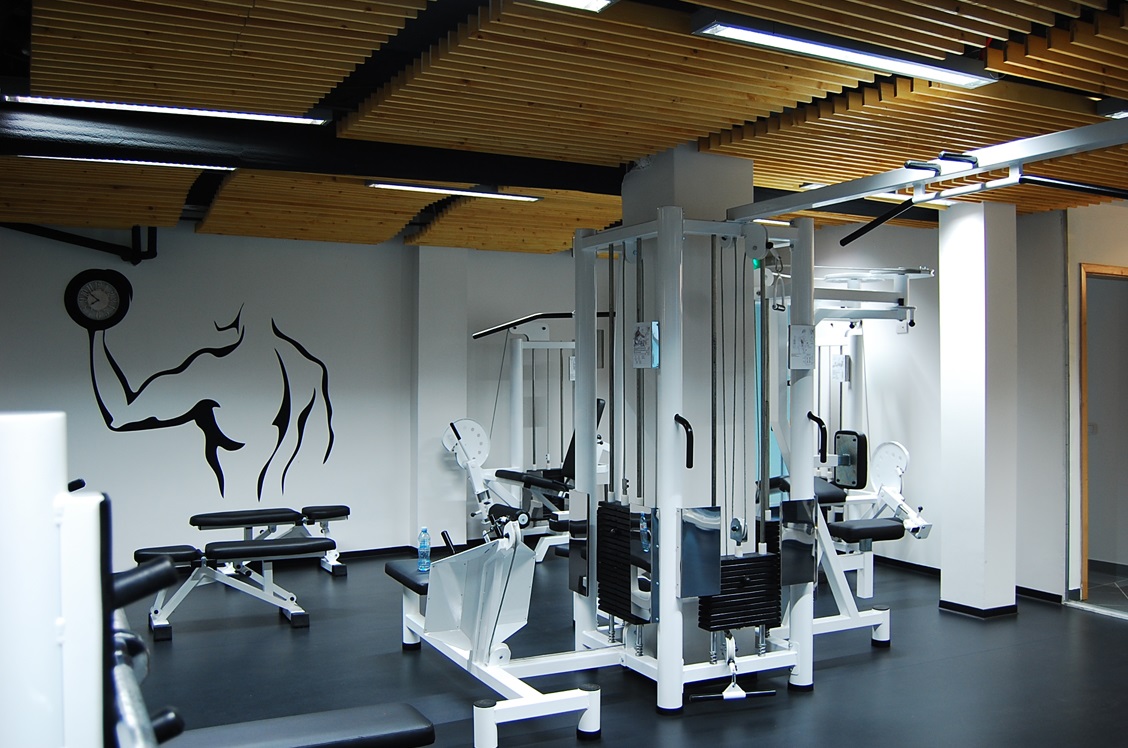
Urban Fitness 
Urban Fitness Fitness Exercise for Women for Men for Women at Home for Men at Home Abs For Kids for Women to Lose Weight Tumblr Photos 
Urban Fitness 
Urban Fitness Fitness Exercise for Women for Men for Women at Home for Men at Home Abs For Kids for Women to Lose Weight Tumblr Photos 
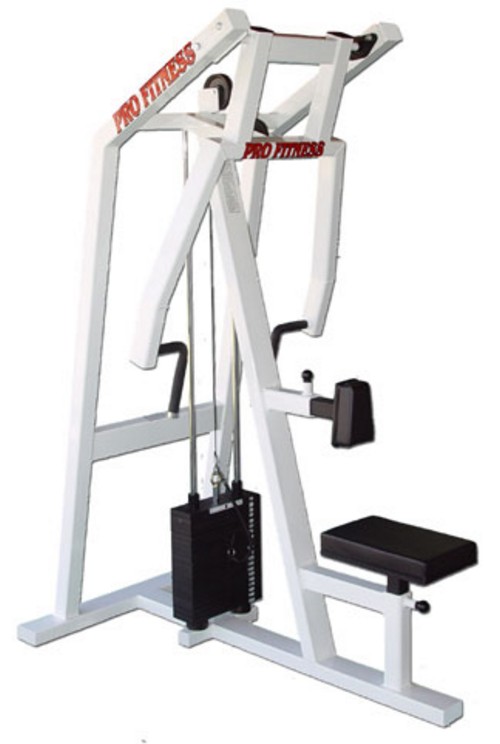
Urban Fitness Fitness Exercise for Women for Men for Women at Home for Men at Home Abs For Kids for Women to Lose Weight Tumblr Photos
 
Urban Fitness Fitness Exercise for Women for Men for Women at Home for Men at Home Abs For Kids for Women to Lose Weight Tumblr Photos 
Urban Fitness Fitness Exercise for Women for Men for Women at Home for Men at Home Abs For Kids for Women to Lose Weight Tumblr Photos